Highlander Curling Club
The Highlander Curling Club, as a member of the Nova Scotia Curling Association, is dedicated to the promotion, development, and coordination of the sport of curling in Antigonish County.
Our well appointed Curling Club offers the following:
- Recreational junior, university, mixed (pictures), ladies, mens, and senior curling leagues weekly from October through April.
- Leagues provide weekly recreation for over 325 adult and 45 junior curlers.
- Three sheets of excellent ice for competitive curling, coaching, training, and sponsorship.
- Home club of winners of twin Junior Under 18 crown, twice Provincial men’s, and three time Atlantic Junior
- men’s championships.
Host of Nova Scotia Junior mixed (2001 & 2004), NS Ladies Scotties Provincial (2006), Junior Atlantics (2004), PANS Maritime Masters (2015), NS Seniors (2016, and AUS (2016) . - Hosted NS Canada Games Qualifier #3 and Ladies Qualifier #2 in 2013 and NS Junior U21 Qualifier in 2014 & 2015.
- Clubhouse with bar/canteen/kitchen for social interaction of members and guests. Hosted thirteen years of St Andrews Parish Funspiel.
- Provides rental capacity for organizations, schools, and groups.
- We hosted the Nova Scotia 55+ games in 2019.
- We also hosted the 2015-2016 AUS Curling Championships
- The home club for the 2016-2017 Women’s AUS Champions – St.FX University
The Curling Rink
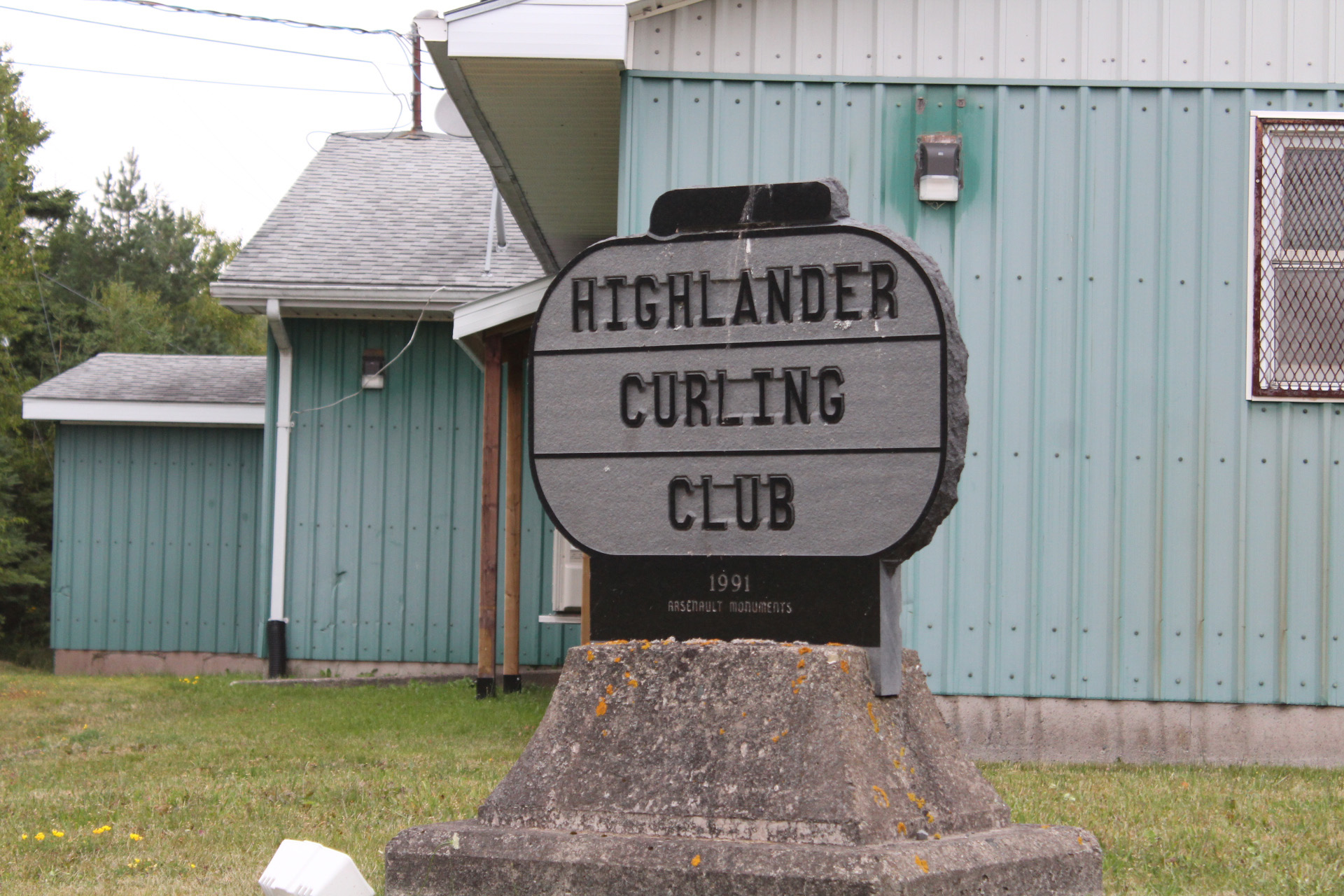
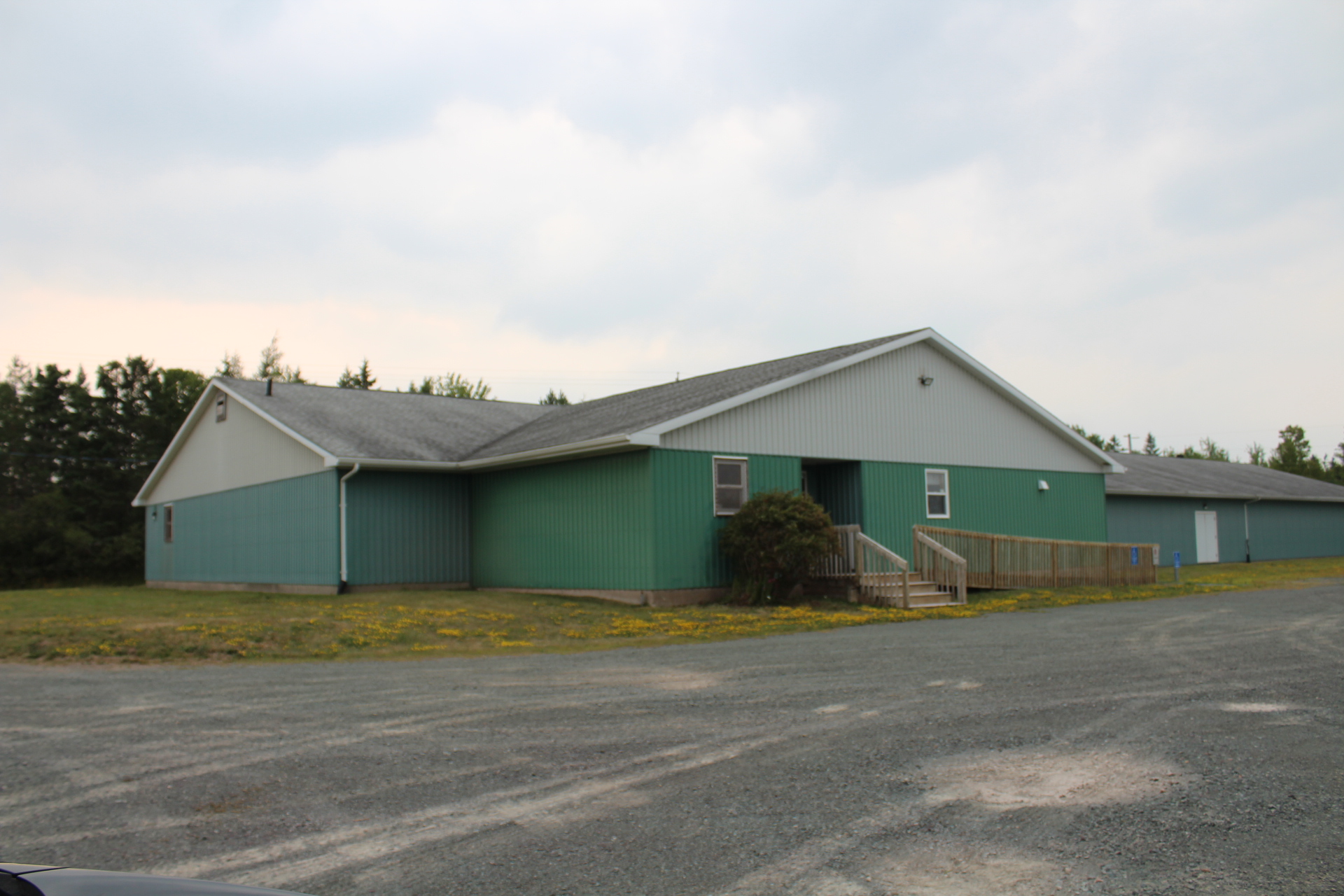


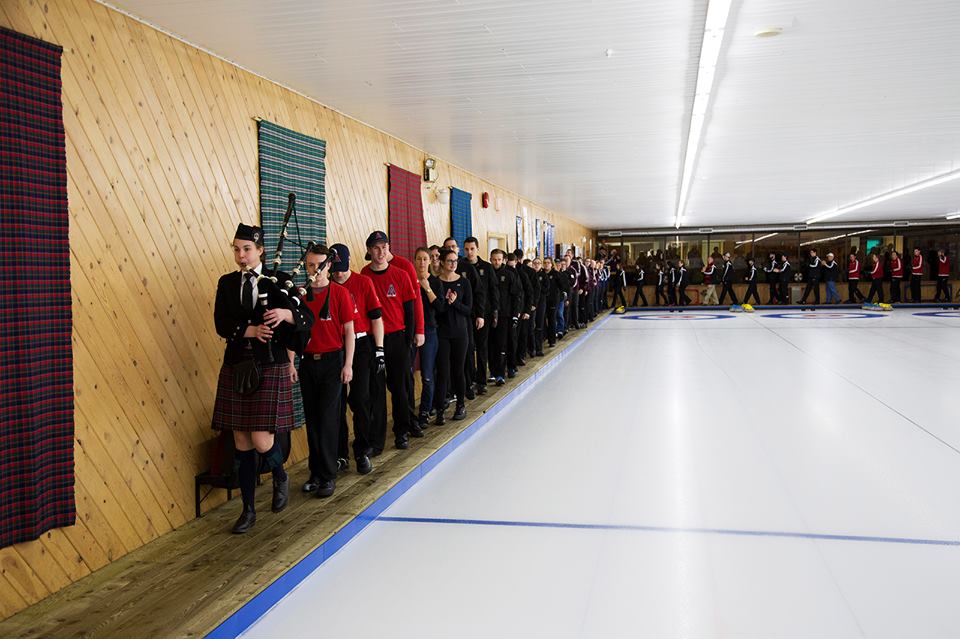
In the early 1990s, when volunteers were busy planning, designing and raising money for the community centre, the idea for a curling club in St. Andrews came about as the result of several factors. The only curling rink in the area (in nearby Antigonish) had burned down many years earlier and a replacement had not been built. A group of more than 20 people from St. Andrews organized several social outings to a curling rink in a neighbouring county and this generated discussion about St. Andrews having its own curling rink. In September 1990, a group of five people met at the fire hall and agreed to recruit one community member each and start meeting each Sunday night to develop a business plan. By early January group members began going door-to-door to talk about the idea with neighbours. At the end of the month, a community meeting was called and the plan unveiled.
The part of the business plan that impressed everyone was an innovative scheme to raise the capital needed to build the rink. The group in St. Andrews designed a system of preferred and common shares. For every $500 unit of investment, an investor member would receive a $400 preferred share and a $100 common share. The preferred shares would be treated as loans from the investor members to the curling club. If and when the curling rink became a financial success, the preferred shares would be paid back to the bearer at the curling club’s discretion with no tax implications, since the investor would be reimbursed with his or her own money. The scheme was a huge success. Within four months the curling club had raised $232,000 in pledges to purchase shares. By the time the rink was built the group had raised $302,000. To date the curling club has paid back two thirds of the preferred shares to members and has still been able to finance improvements to the building. One member proudly stated, “We have done this without grants or loans from the government or financial institutions – all the money was borrowed from our members”.
As with the community centre, the curling rink was largely built by volunteers. The land, donated by a local resident, was cleared and levelled by volunteers with borrowed equipment. Volunteers under the direction of two paid carpenters carried out the framing, wiring, plumbing, and roofing of the building. Other than the work of these two carpenters, the only other contracted tasks were those of pouring the concrete floor and hooking up the ice plant to the pipes that were laid by volunteers. When the curling rink was finished most of the volunteers then helped build the community centre using skills they had developed while working on the rink. A common saying in St. Andrews is that one built the other.